The Silence Before Trust
Reflections on Dignity, Presence, and the Work of Rebuilding
Barry Hart, Chair of the TBP Program Steering Group, September 2026
It seems to me that dignity is a key element in regard to trust. Dignity related to our own inherent value and worth - and the dignity of others - their deep value and worth.
But dignity, like everything else of meaning, comes from understanding ourselves which requires being self-reflective, able to sit in silence for self-regulation and, more importantly, listening for the potential insight and wisdom that come into this silence. Practicing "presence" is critical to hearing what we need to say and do, in general as well as in particular situations.
This practice of "presence," also helps us be available to others - the barriers that normally block communication are down, at least on one side, which has the potential for those with whom we interact to drop their barriers too - over time, but potentially "in the moment."
John Paul Lederach said, "The quality of our presence is a creative act." It is also at the heart of allowing trust to be built, often rebuilt, since trust that once existed between individuals and groups was somehow broken.
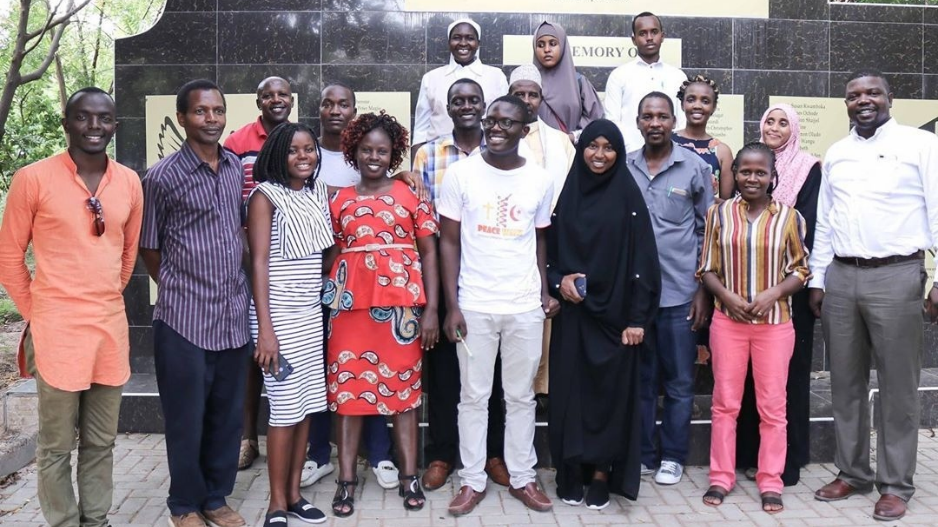
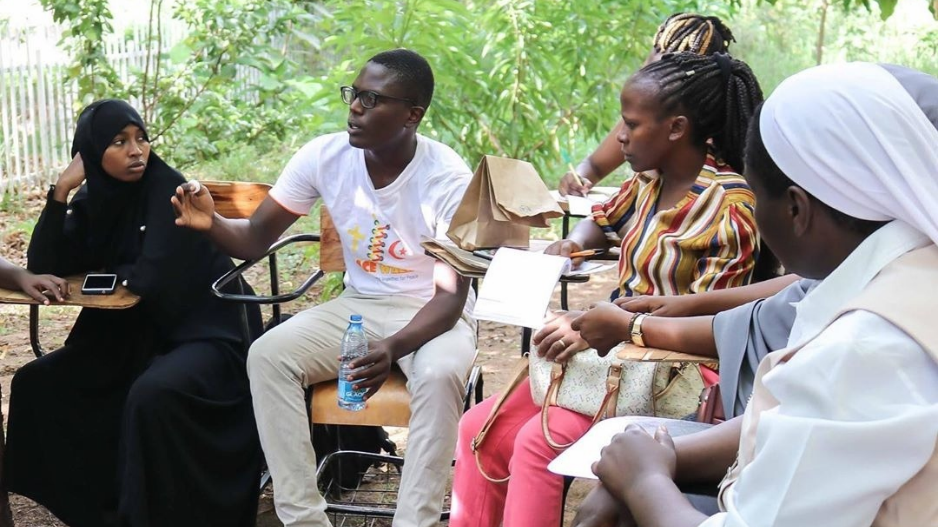
We have seen this play out in the work of the Trustbuilding Program. In Kenya, following the Garissa University attacks, our team did not begin with strategy or negotiation. They hosted a healing walk through the University, followed by a sharing circle - a deliberate space of presence and silence before any word of reconciliation was spoken. What followed was people from Christian and Muslim communities choosing, in that quiet, to be present to one another again. The reporting from that work describes a striking reduction in intergroup tension in the months that followed - evidence that the silence did its work before the words ever arrived.
Of course, there is the underlying issue of projection, where elements of who I am - my Shadow - are projected onto others. I think I'm interacting with a person's, or a group's, negative qualities, when they are in fact my own, or those of my group. This is also an important reason for the discipline of reflective silence, individually and collectively: to become aware of our Shadow side, and what it has to offer constructively as we engage it.
This is, in its way, what the Arc of Dialogue, Circles of Trust and other tools that TBP trustbuilders are trained in are designed to hold space for - not a technique for managing conversation, but a discipline for managing ourselves first, so that what we bring into the room with others is less distorted by what we haven't yet faced in ourselves.
The difficult but necessary culture shift needed in all this is to encourage, and to provide spaces for, individual and collective silence that allows for reflection and deep listening. Organizational culture needs this to establish trusting relationships, and as a foundation for functioning more effectively. It is not an easy shift to make at any level. But without it, we get caught in transactional and other superficial models of communicating, relating, and acting. Our ability to see, hear, speak, and ultimately trust ourselves and others, is blocked.
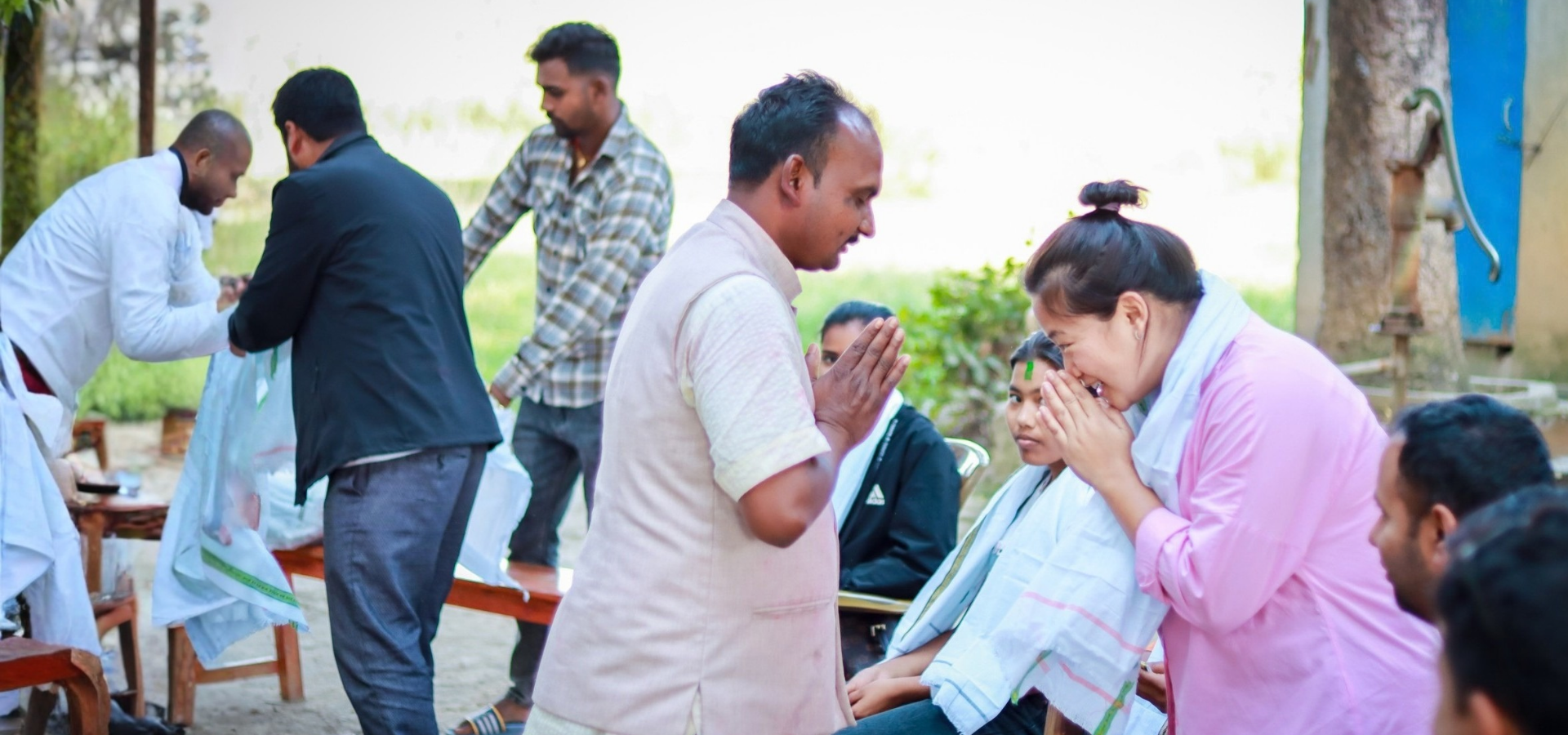
I think of the TBP team in Nepal, whose quiet, patient work over six years - unglamorous, mostly unseen - eventually earned something rare: a government budget allocation in support of trustbuilding itself. That did not happen because anyone forced an outcome. It happened because a discipline of presence, sustained long enough, became credible to people who do not extend credibility easily. The visible institutional change was the last step in a much longer process of people first learning to sit, listen, and be fully available one another—the essence of presence.
Trustbuilding requires honesty, intentionality, courage, and compassion, and a recognition of our common humanity and interdependence for the purpose of helping eliminate the barriers of division, and allowing all involved to experience just, meaningful, and sustainable relationships that enhance everything that we say and do.
One TBP participant put it simply: "Trust is being rebuilt one action at a time." Another described the shift this way: "The coexistence between people has improved - now people are coming to understand each other." These are not the words of people who found a clever solution. They are the words of people who learned, first, to be still enough to notice one another again.
A recent independent evaluation of the program - drawing on nearly 400 participants viewpoints across three continents - reached a similar conclusion from the outside looking in: that no stakeholder questioned the urgency of this work, and that demand for it is only growing. I don't find that surprising. A world short on presence will always be short on trust. The two rise and fall together.
If there is a single invitation in all of this, it is not to a program or a method, but to a practice: to make room, deliberately, for the silence that precedes real listening - in ourselves first, and then between us. Everything else, I believe, follows from there.
To learn more about the International Trustbuilding Program's work across fourteen countries, clic here.
More stories of transformation and healing from TBP trustbuilders around the world can be found here.